


Amazonian Giants of Guainía: Exotic Sport Fishing Species// Gigantes del Amazonas en Guainía: Especies exóticas de pesca deportiva

Introduction
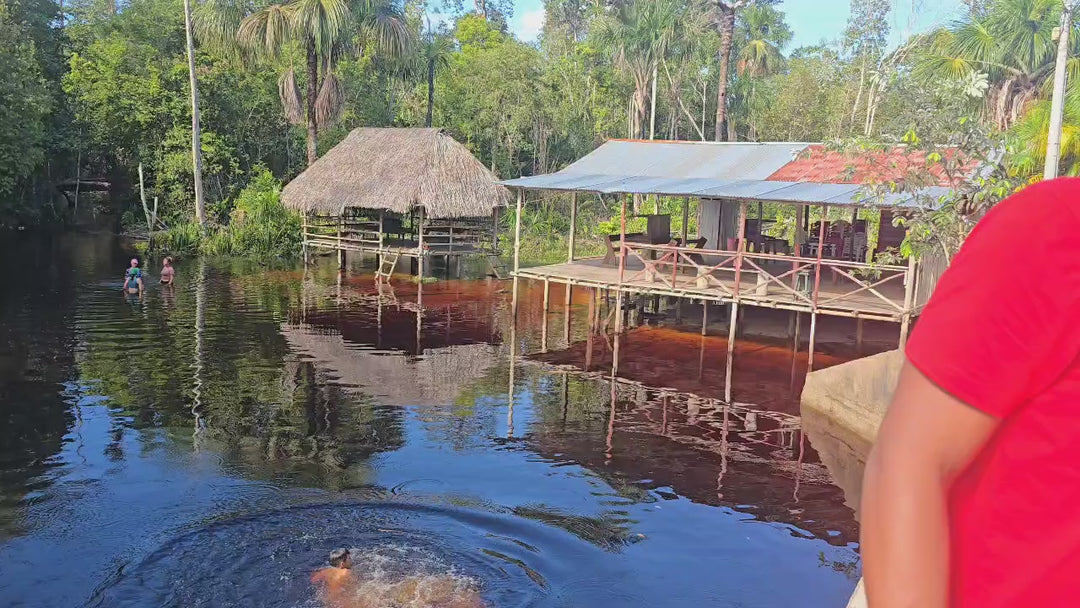
Imagine drifting silently on a jungle river at first light, the mist rising from the water, and the forest awakening with distant calls of birds and insects. Beneath that dark, tannin-stained surface lurk giants waiting for the perfect moment. In Guainía, Colombia, sport fishing is not just a pastime — it’s an immersion into a wild world. Each cast carries a promise. Each strike echoes with raw power. In this blog, we’ll take you through the exotic species that haunt these waters, the challenges they pose, and why a fishing trip here becomes an unforgettable adventure.
1. The Realm: Rivers of Guainía and the Amazon’s Veiled Depths
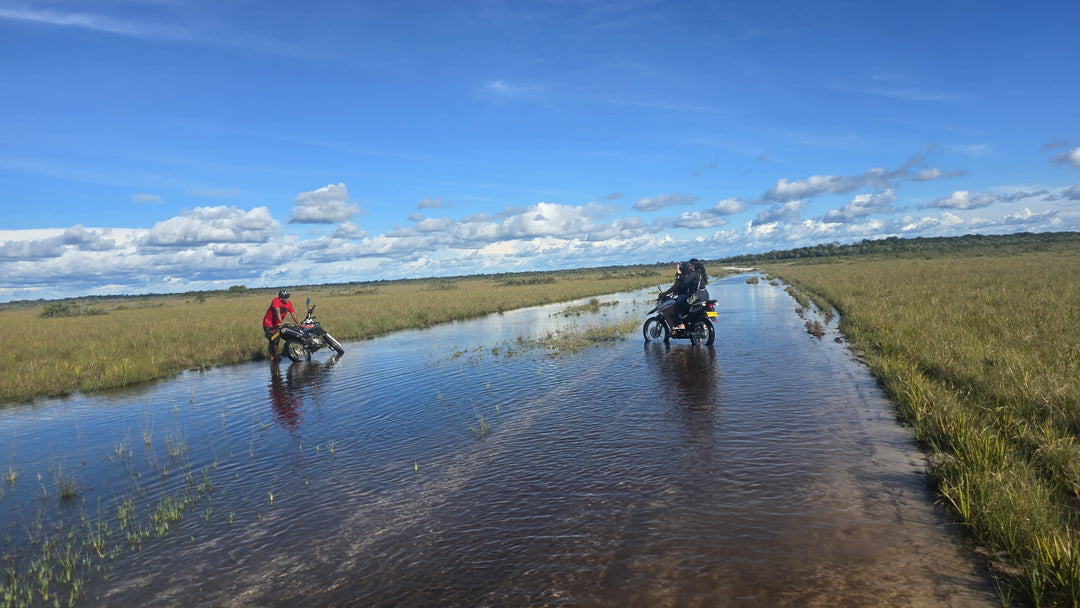
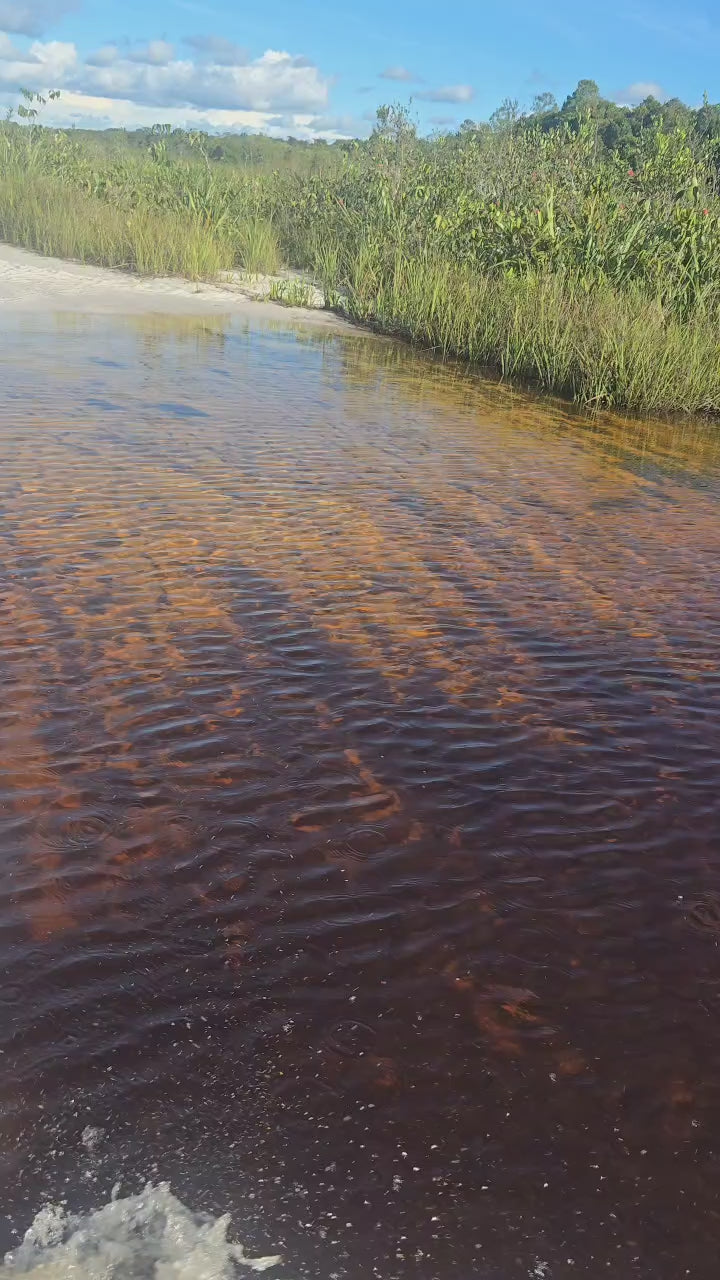
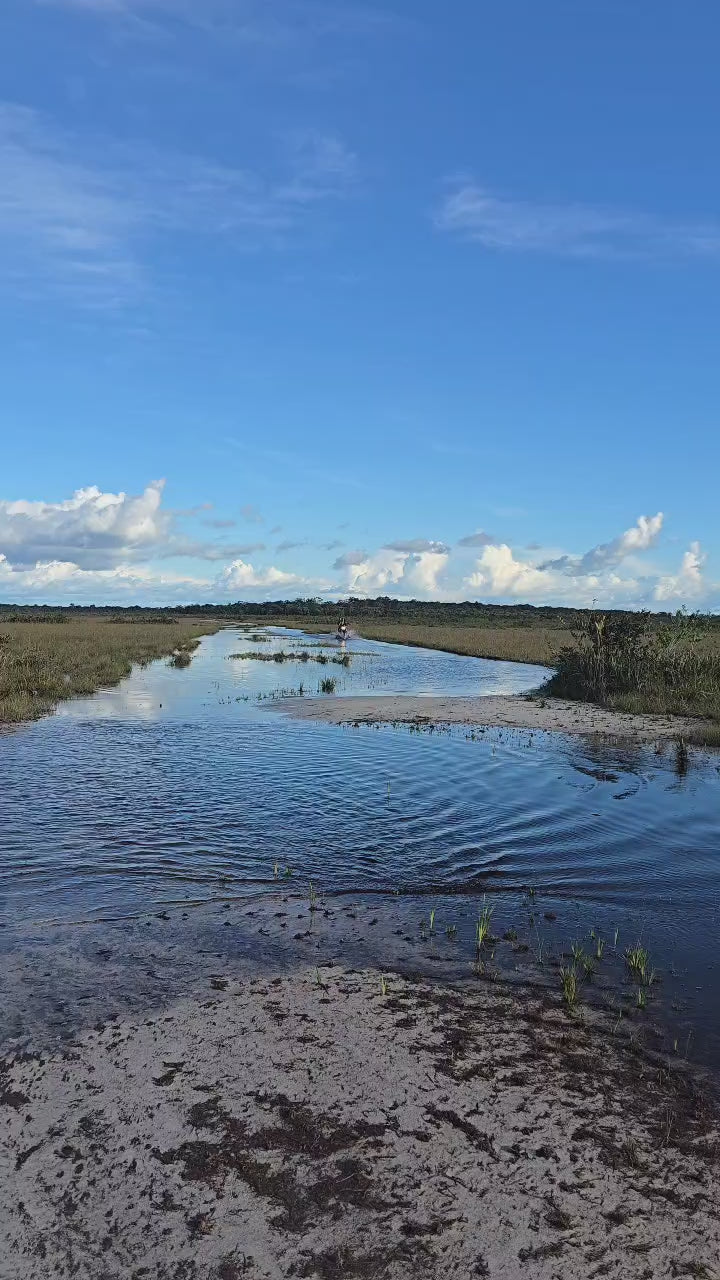
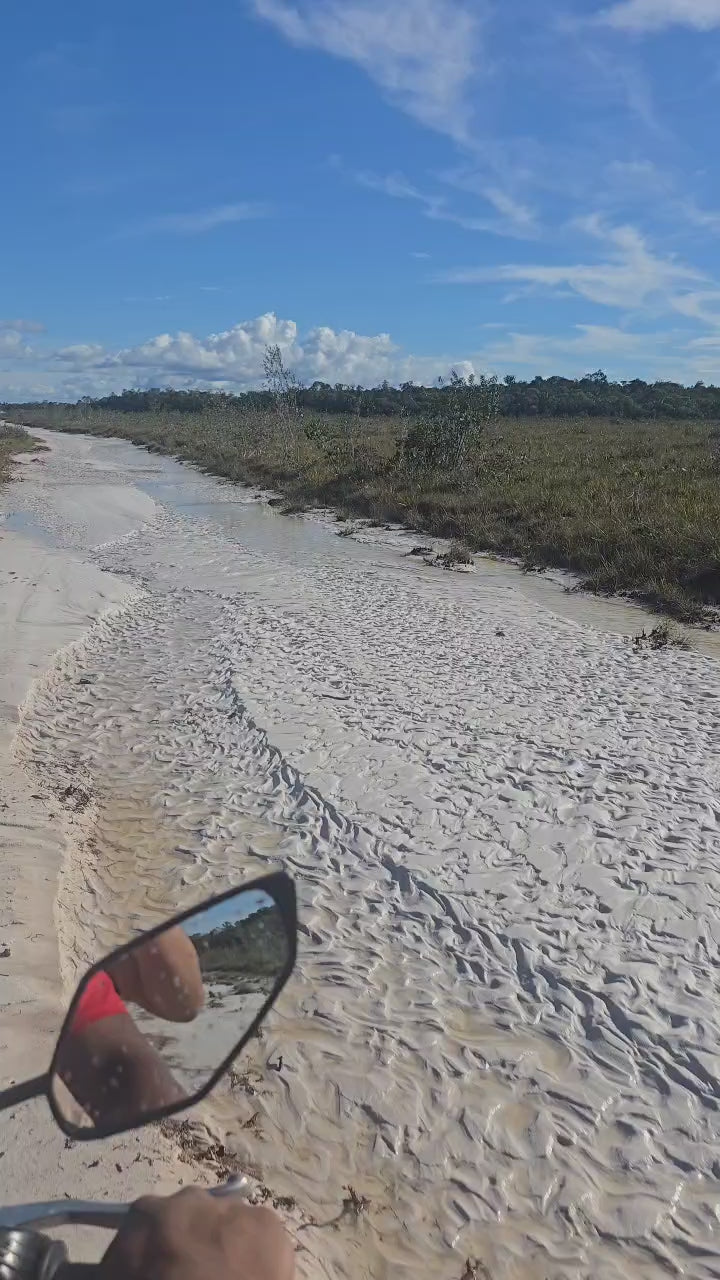
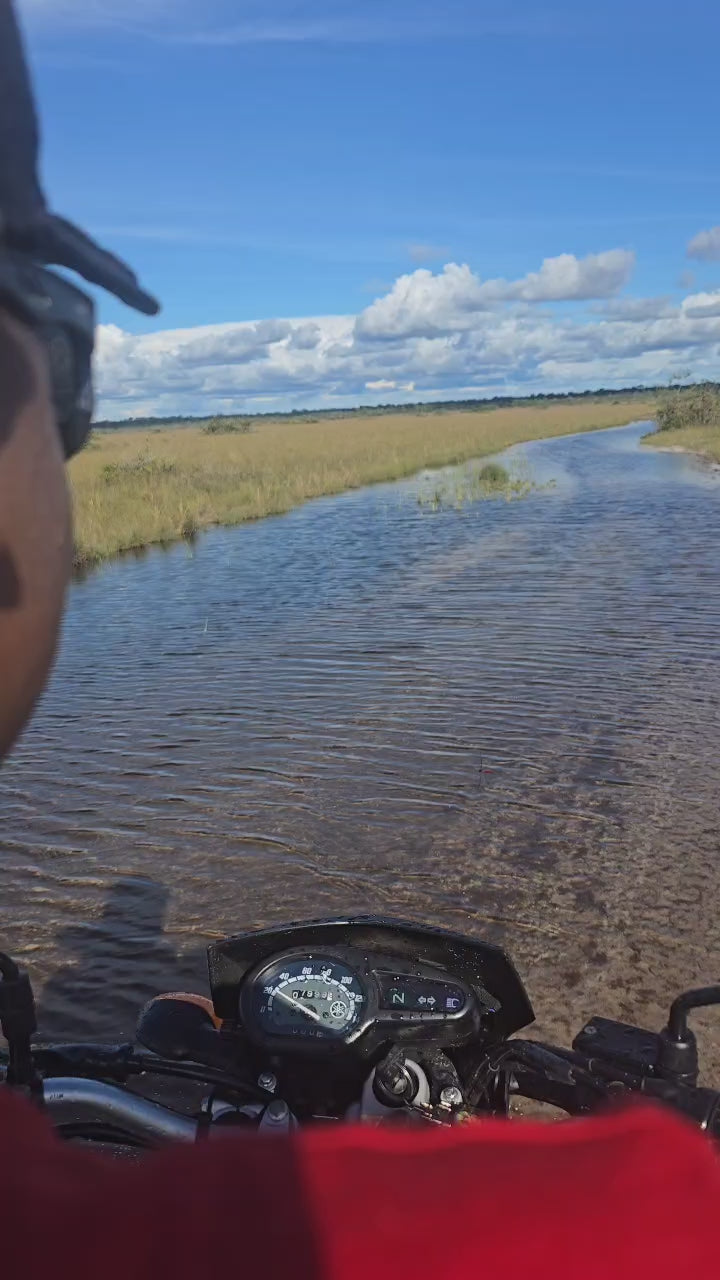
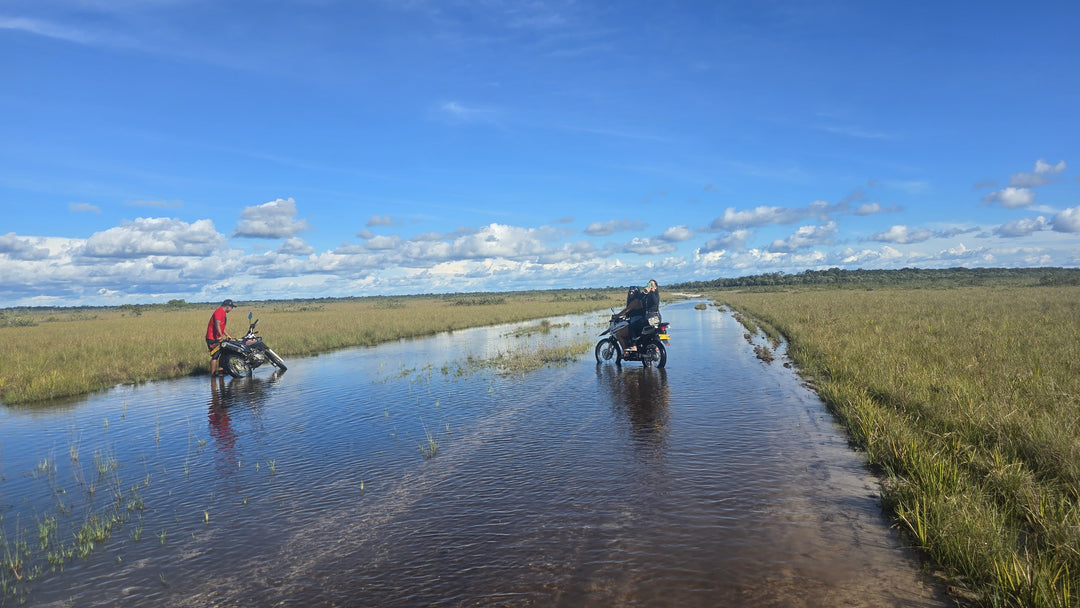
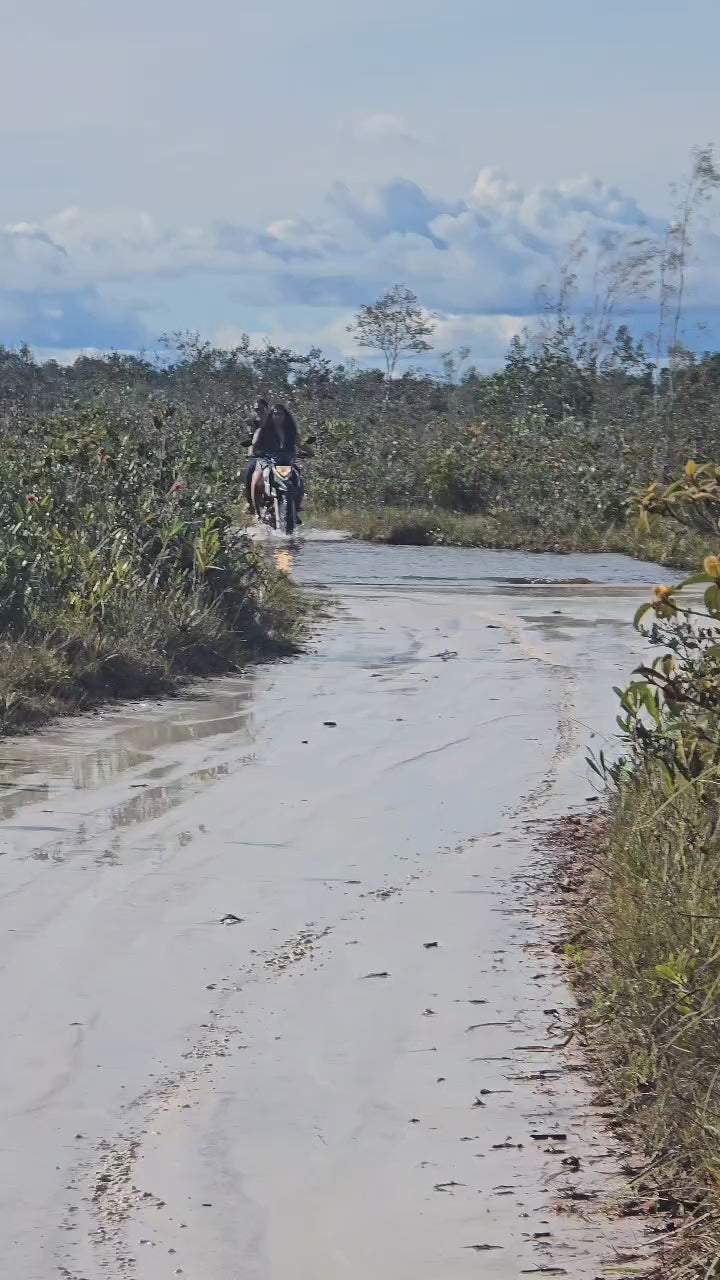
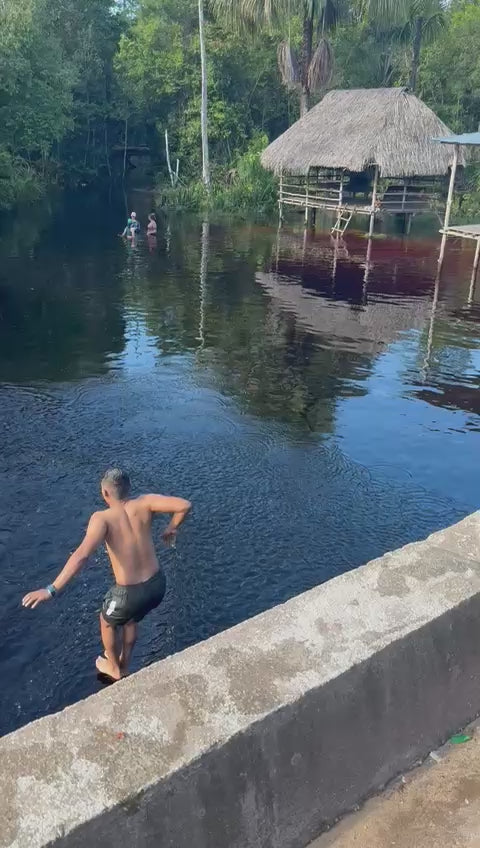
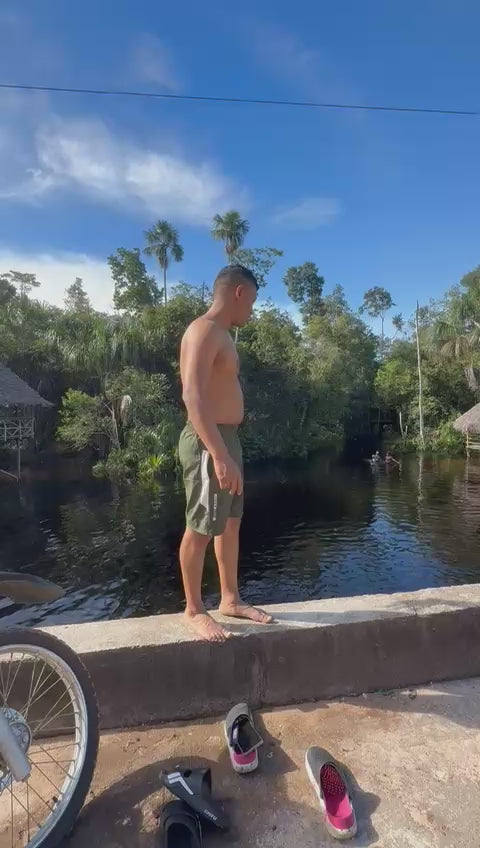
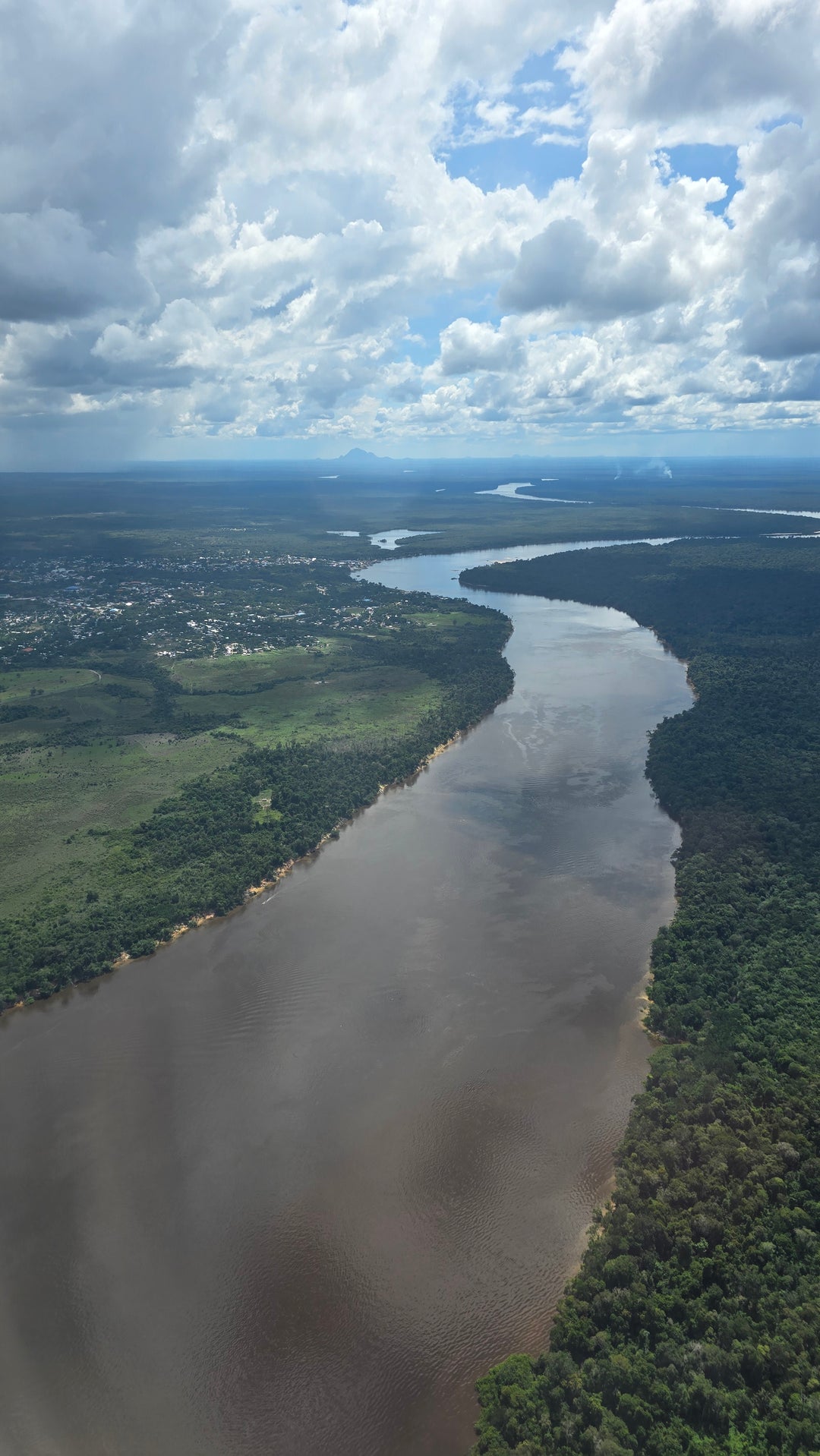
Guainía’s waterways are part of the Amazon basin’s blackwater system, where rivers carry a dark, tea-colored hue from tannins and organic matter. These waters create unique conditions—low visibility, subtle light shifts, and hidden structure beneath the surface—that shape how fish behave and how anglers must think.
In this realm, tributaries, flooded forests, channels, and submerged forest structure combine to form a labyrinth. Fish use every nook and cranny—tree roots, fallen trunks, submerged branches—as refuge, ambush points, or feeding zones. To fish here is to read shadows, anticipate movement, and blend patience with aggression.
2. The Majestic Species You Pursue
Peacock Bass (Pavón / Tucunaré, Cichla spp.)
The peacock bass is perhaps the crown jewel of Amazonian sport fishing. Its explosive strike, tenacious fight, and flamboyant patterns make it a favorite among anglers. They lurk near structure—sunken logs, riparian roots, shoreline overhangs—and respond aggressively to popping lures and jerkbaits.
Payara (Vampire Fish)
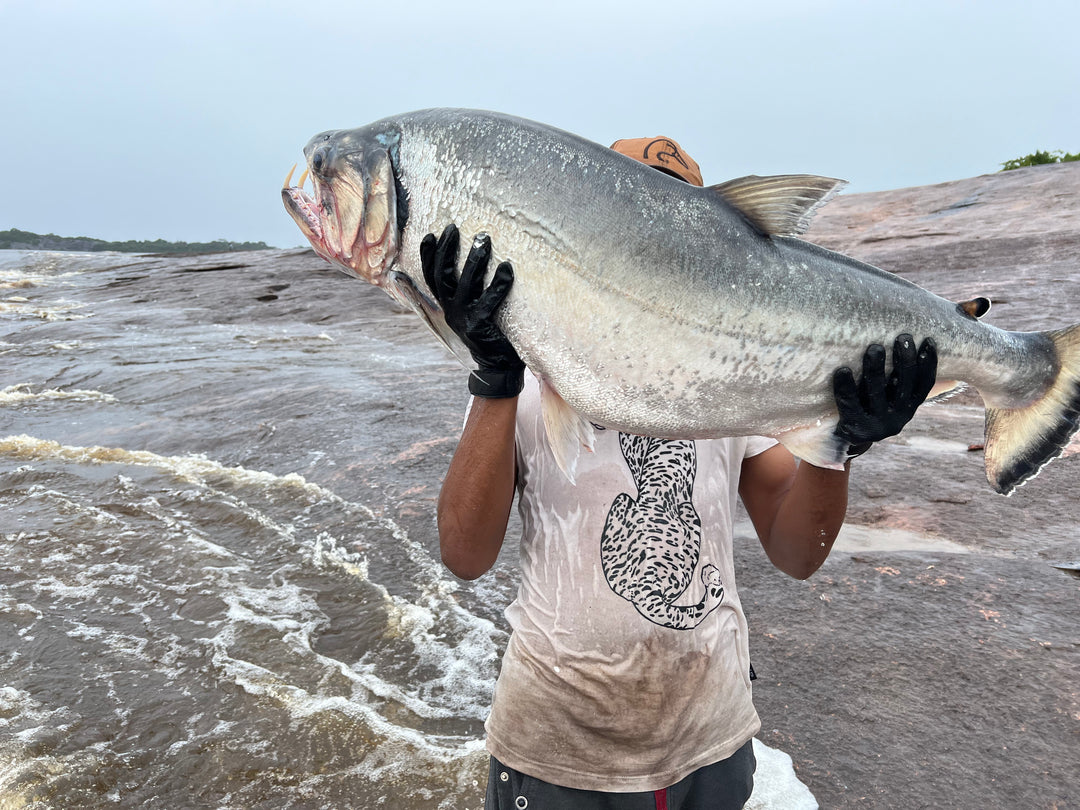
The payara, nicknamed the “vampire fish,” is a predator of speed and precision. It favors deeper runs and swift currents, using sharp teeth to seize prey. A well-placed lure bridging current seams can provoke a savage attack. Records suggest some specimens exceed 35 pounds.
Arapaima / Paiche
Although rarer, the arapaima (paiche) is the stuff of legends. These giants, capable of surpassing 2 m in length, demand respect and finesse. In Colombia, rivers like Guainía are among the possible habitats for sport fishing this species, under strict catch-and-release protocols.
Giant Catfish and Other Bottom Dwellers
Beyond flashy predators lie the heavyweights of the deep—robust catfish that test line, rod, and angler endurance. They may lack visible glamor, but their strength and fight make them prized trophies on extended fishing journeys.
Other Interesting Species: Bicuda & Large Predatory Characins
The genus Boulengerella cuvieri (bicuda) is found in Amazon and Orinoco tributaries, known to lurk in fast flow zones. These predatory characins move with speed and stealth, adding diversity to the hunt.
3. Why Guainía Stands Apart as a Sport Fishing Destination
Pristine, lightly fished waters: Many sectors remain remote and untouched, increasing chances of virgin trophies.
Adapted strategies required: The environment demands subtle approaches—stealth, accurate casts, selective lure work.
High reward for the patient angler: Captures here feel earned, not given. A strike in such context is electric.
Emotional context: You fish within the symphony of the jungle—calls of birds, insects, water whispers—each fight gains depth from the surroundings.
4. Tactics & Gear: How to Gain an Edge
Lure choices: Use poppers, jerkbaits, surface walkers, and contrast colors to provoke reaction in low visibility waters.
Presentation matters: Cast near submerged structure, root systems, and edge transitions.
Leader and line strength: Don’t skimp—giant fish demand robust leaders that won’t break at the worst moment.
Retrieve strategies: Use varied retrieves—pauses, twitches, then bursts—to mimic wounded prey and trigger strikes.
Be alert: In blackwater zones, subtle flashes or shadow movement may conceal a predator ready to hit.
5. Immersive Fishing Narrative: Turning a Trip into a Story
1. The dawn launch: You push off the riverbank as fog lifts and the jungle is still silent.
2. The first cast: Your lure gently disturbs the surface; anticipation hums.
3. The explosion: A peacock bass rockets out, surface tearing, line screaming.
4. The battle: Runs, jumps, side currents, root tangles—every meter feels fought.
5. The close: You bring the fish close, camera ready, respect guiding your move to release.
6. Reflection: As the creature dives away, you linger in awe—yes, you caught something—but also touched by the wildness around you.
--------------------------------------------------------------------------------------------------------------------------------------------
Gigantes del Amazonas en Guainía: Especies exóticas de pesca deportiva
Introducción
Imagina deslizarte silenciosamente en un río selvático al amanecer, con la neblina elevándose sobre el agua y la jungla despertando con llamadas de aves e insectos lejanos. Bajo esa superficie oscura, teñida por taninos, acechan gigantes esperando el momento perfecto. En Guainía, Colombia, la pesca deportiva no es simplemente un pasatiempo: es sumergirse en un mundo salvaje. Cada lance lleva una promesa. Cada picada se siente con fuerza. En este blog, te llevaré por las especies exóticas que habitan estas aguas, los desafíos que plantean y por qué una expedición aquí se convierte en una aventura inolvidable.
1. El reino: Ríos de Guainía y las profundidades veladas del Amazonas
Las aguas de Guainía forman parte del sistema de aguas negras de la cuenca amazónica. Los ríos llevan un tono oscuro, similar al té, producto de taninos y materia orgánica. Estas aguas crean condiciones únicas: baja visibilidad, cambios sutiles de luz, y estructuras ocultas bajo la superficie que influyen en el comportamiento de los peces y el enfoque del pescador.
En este reino, los afluentes, selvas inundadas, canales y las estructuras sumergidas conforman un laberinto. Los peces utilizan cada recoveco: raíces, troncos caídos, ramas sumergidas, para refugio, emboscada o alimentación. Pescar aquí es leer sombras, anticipar movimiento y combinar paciencia con agresividad.
2. Las especies majestuosas que persigues
Pavón / Tucunaré (Peacock Bass, Cichla spp.)
El pavón es quizás la joya de la pesca deportiva amazónica. Su picada explosiva, resistencia feroz y patrones llamativos lo hacen favorito entre los pescadores. Habita cerca de estructuras — raíces sumergidas, troncos hundidos, bordes sombreados — y responde agresivamente a poppers y jerkbaits.
Payara (Pez vampiro)
La payara, apodada “pez vampiro”, es un depredador de velocidad y precisión. Prefiere corrientes profundas y se mueve con rapidez. Sus afilados dientes atrapan a la presa con contundencia. Un señuelo bien colocado que atraviese corrientes puede provocar un ataque feroz. Algunas capturas superan las 35 libras.
Arapaima / Paiche
Aunque menos común, el arapaima (paiche) es una leyenda viviente. Estos gigantes, capaces de superar los 2 metros de longitud, exigen respeto y técnica fina. En Colombia, ríos como Guainía son posibles hábitats para la pesca deportiva de esta especie, bajo estrictos protocolos de captura y liberación.
Bagres gigantes y otros peces de fondo
Más allá de los depredadores vistosos están los pesos pesados del fondo: bagres robustos que ponen a prueba líneas, cañas y paciencia del pescador. No tienen el atractivo visual de otros, pero su fuerza y resistencia los convierten en trofeos valorados en jornadas prolongadas.
Otras especies interesantes: Bicuda y characinos predadores grandes
El género Boulengerella cuvieri (bicuda) habita en tributarios amazónicos y del Orinoco. Se le ve en zonas de corrientes rápidas, detrás de obstáculos naturales. Estos characinos depredadores son rápidos y sigilosos, añadiendo variedad a la pesca.
3. ¿Por qué Guainía es un destino extraordinario de pesca deportiva?
Aguas vírgenes, poco intervenidas: muchas zonas permanecen remotas, lo que aumenta las posibilidades de ejemplares no intervenidos.
Estrategias adaptadas exigidas: el entorno exige enfoques sutiles — sigilo, lanzamientos precisos, trabajo estratégico de señuelos.
Alta recompensa por la paciencia: las capturas aquí son ganadas, no regaladas. Una picada en este contexto se vive como una pequeña victoria.
Contexto emocional: pescas dentro de la sinfonía de la jungla — cantos, susurros del agua — cada lucha adquiere un matiz más profundo.
4. Tácticas y equipo: cómo mejorar tu ventaja
Selección de señuelos: usa poppers, jerkbaits, walkers y colores de contraste para provocar reacciones en aguas oscuras.
Presentación cuidadosa: lanza cerca de estructuras sumergidas, raíces, transiciones entre corrientes.
Fuerza de líder y línea: no escatimes: los peces gigantes exigen líderes fuertes que no cedan en el momento crítico.
Estrategia de recuperación: alterna pausas, tirones y explosiones para simular presas heridas y provocar ataques.
Atención plena: en aguas negras, cualquier destello o sombra puede ocultar un predador listo para emboscar.
5. Narrativa inmersiva: convertir el viaje en una historia
1. El amanecer del día: te lanzas al agua mientras la neblina se eleva y la jungla guarda silencio.
2. El primer lance: tu señuelo roza la superficie; la tensión se respira.
3. La explosión: un pavón rompe el agua con furia, el hilo grita.
4. La lucha: corridas, saltos, cambios, raíces; cada metro se siente ganado.
5. El cierre: acercas el pez, cámara lista, liberas con respeto.
6. La reflexión: mientras el pez se zambulle, te quedas en silencio, asombrado: atrapaste algo, pero también fuiste tocado por lo salva